
How Children Understand Grief and Death: What the Developing Brain Needs Most
Adults often underestimate children’s capacity to understand grief and overestimate the harm of honest conversations about death. The result is usually silence, euphemism, or avoidance, offered with good intentions but with unintended consequences. Children are left sensing that something is wrong while lacking the information or language to make sense of it.
Grief is not something children are protected from by omission. In fact, research across developmental psychology, pediatrics, and bereavement studies consistently shows that children cope better when they are given truthful, developmentally appropriate explanations and emotionally attuned support.
Understanding how children experience grief requires understanding how their brains develop, how meaning is constructed over time, and how attachment and safety shape emotional processing.
Children Do Not Grieve Like Adults—and They’re Not Supposed To

Grief in children is shaped by three major factors:
Brain development
Cognitive understanding of death
Dependence on adults for emotional regulation
Children’s brains are still under construction. The regions responsible for abstract thinking, emotional regulation, impulse control, and future orientation mature gradually through adolescence and into early adulthood. Because of this, children’s grief often looks fragmented, intermittent, and behavioral rather than verbal.
This does not mean their grief is shallow. It means it is expressed differently.
Adults tend to grieve in sustained emotional waves. Children tend to grieve in bursts—moving in and out of grief as their nervous systems allow.
How Children Understand Death at Different Developmental Stages
Children’s understanding of death evolves as their brains and cognitive abilities develop. While every child is different, the following outlines common patterns in how grief tends to appear at different stages.
Infants and Toddlers (Birth–3 Years)
Children do not understand death as a concept, but they are highly sensitive to absence and emotional changes in caregivers. Grief often appears as changes in sleep, appetite, or increased clinginess. What matters most at this age is consistency, physical comfort, and calm, regulated adults.
Preschool and Early Childhood (Ages 3–6)
Children may see death as temporary or reversible and often engage in magical thinking, sometimes believing their thoughts or actions caused the death. Grief may show up through regression, repetitive questions, or play that reenacts loss. Clear, concrete language and repeated reassurance help create safety.
School-Age Children (Ages 6–10)
Children begin to understand death as permanent, but may struggle with fairness and causality. Grief can appear as irritability, somatic complaints, difficulty concentrating, or worries about others dying. Honest answers, reassurance about caregiving stability, and creative outlets support healthy processing.
Adolescents (Ages 11–18)
Adolescents understand death cognitively but often lack fully developed emotional regulation. Grief may present as withdrawal, anger, risk-taking, or existential questioning. They benefit from honest communication, respect for autonomy, peer support, and adults who can tolerate strong emotions without judgment.
How Grief Shows Up in Children (Often Without Words)
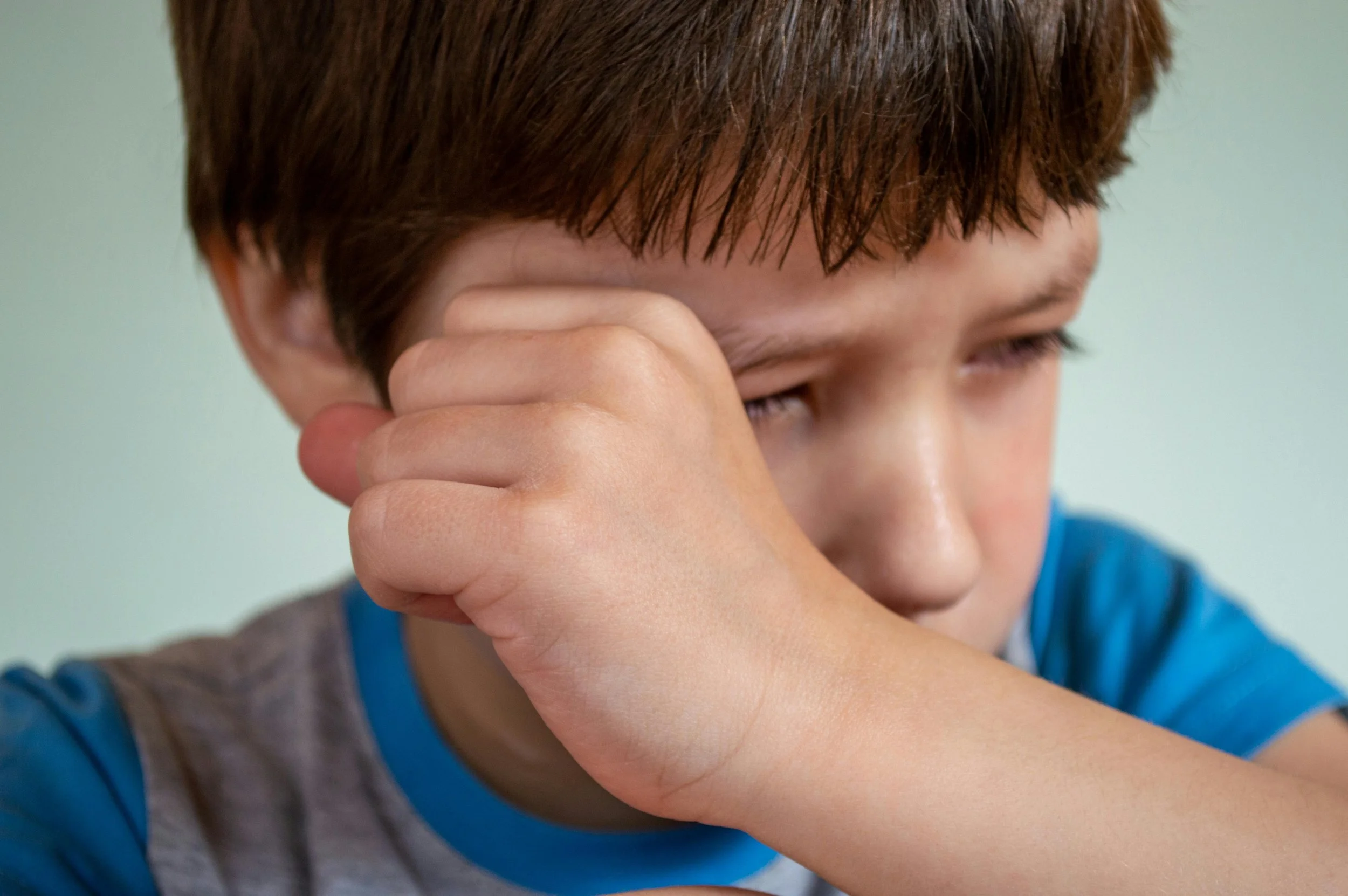
Children often express grief through behavior rather than language. This can include:
Changes in sleep or appetite
Regression in skills
Academic difficulties
Increased aggression or withdrawal
Repetitive play themes
Heightened fears or clinginess
These behaviors are not misbehavior. They are communicating.
Grief also reappears as children grow. As cognitive understanding deepens, earlier losses may be revisited and re-grieved at new developmental stages. This is normal and healthy.
What Children Need from Adults—and When Additional Support Matters
When a child is grieving, adults often feel pressure to explain or fix what cannot be fixed. What children need most is emotionally present adults who can stay steady without rushing grief away or avoiding it altogether. Children rely on adults to help regulate their emotional and physical responses to loss. They watch closely to see whether the world is still safe and whether difficult feelings are allowed. When adults can be honest, predictable, and emotionally available, children learn that grief, while painful, is manageable.
This does not require constant composure or positivity. Children benefit when adults use clear, age-appropriate language, acknowledge feelings without overwhelming them, and welcome questions, even when those questions repeat. Reassurance comes through consistency, knowing who will care for them, what will stay the same, and where their fears can be shared. Children often grieve in ways that look unfamiliar to adults. They may move in and out of sadness, cry briefly, then return to play. They may express grief through behavior rather than words, including irritability, regression, or physical complaints. These responses are common and reflect how a developing nervous system processes loss.
There are times when additional support can help. If a child shows ongoing distress that does not ease with time, such as persistent withdrawal, significant behavior changes, intense anxiety, or declining school or social functioning, their grief may be exceeding their ability to cope alone. Support is also important if a child expresses ongoing guilt, heightened fears about safety, or thoughts about wanting to disappear or die. Seeking help in these moments is not an overreaction. It is an extension of care. Most of all, children need to know that their grief is welcome, that their questions matter, and that they will not be left to carry loss by themselves. When adults stay present beyond the early days of grief, children learn that love and support continue, even after death.
Children do not need perfect answers about death. They need honest, steady adults who allow grief to be expressed, recognize when additional support is needed, and reassure children that they will not have to carry loss alone.
For School Staff: Supporting Grieving Students and Their Families
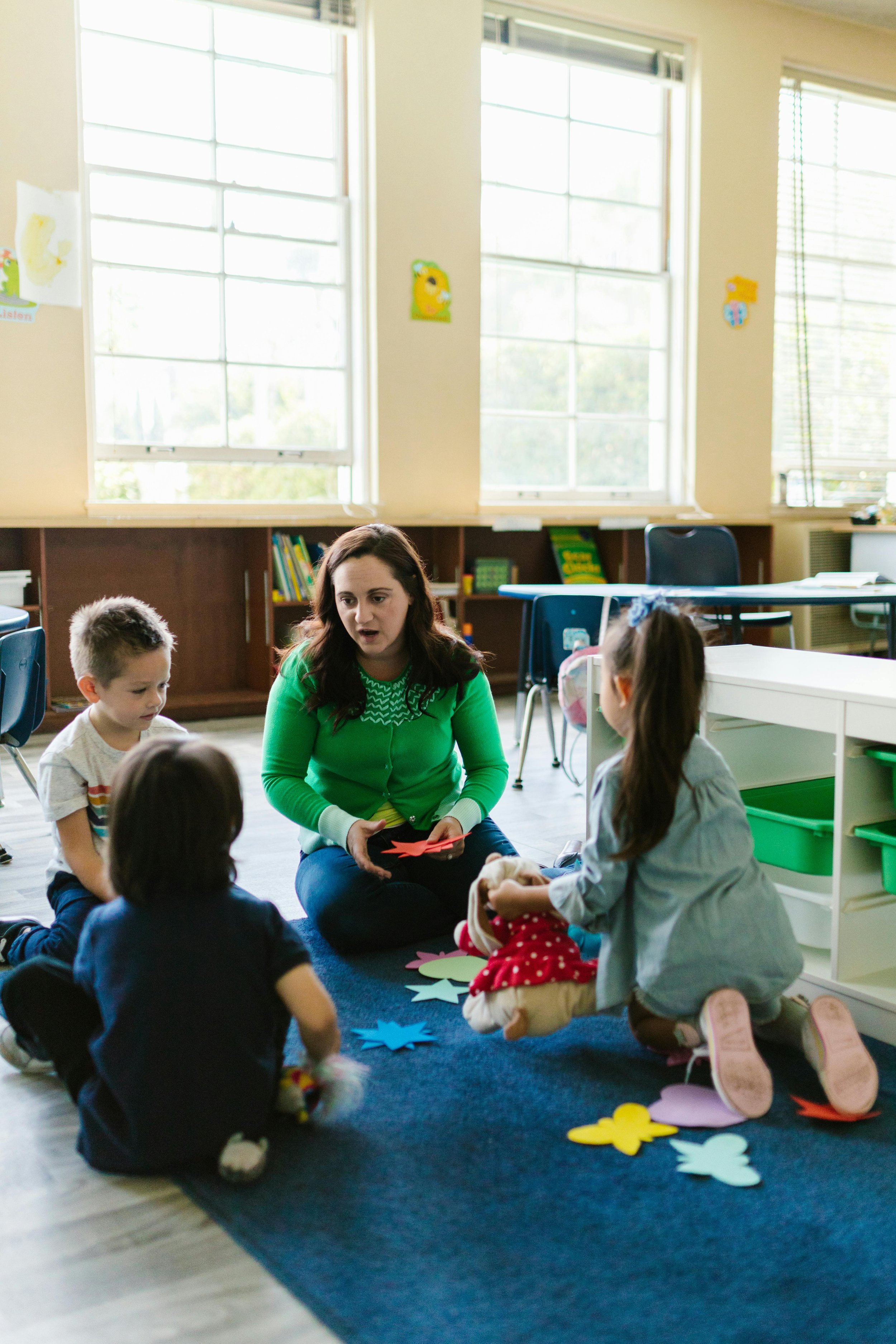
When a student is grieving, school often becomes one of the most important places where stability and safety can be restored. Predictable routines, familiar expectations, and emotionally attuned adults help regulate a child’s stress response during a time of disruption. Support begins with awareness rather than assumption. Grief may appear as changes in behavior, attention, attendance, or emotional regulation rather than visible sadness. Offering flexibility with assignments, quiet check-ins, and access to a trusted staff member can help a student stay connected without feeling singled out. Communication with caregivers should be compassionate and collaborative. Avoid asking families to “keep the school updated” in ways that create a burden. Instead, ask how the school can best support the child and respect cultural, familial, and developmental differences in grief expression. Most importantly, allow grief to exist without urgency. Avoid timelines, comparisons, or pressure to return to “normal.” When school staff model patience, consistency, and care, students learn that grief does not disqualify them from belonging or learning.
Quick Tips for School Staff
Maintain normal routines while allowing reasonable flexibility with deadlines, attendance, and participation
Offer choices rather than directives when possible to help students feel a sense of control
Check in privately and briefly rather than calling attention to the student in front of peers
Use clear, direct language and avoid euphemisms or platitudes about loss
Expect grief to reappear around anniversaries, holidays, or milestones
Watch for behavioral or academic changes rather than assuming a student will verbalize distress
Coordinate support among teachers, counselors, and administrators to avoid repeated explanations for families
Know your school’s referral process for counseling or outside support and use it when concerns persist