
Pride, Authenticity, and Grief: Mourning the Years You Didn't Get to Live Fully
Understanding the Grief of Lost Time, Hidden Identities, and the Life That Might Have Been
When most people hear the word grief, they think of death.
They think of funerals, condolences, sympathy cards, and the loss of someone they love. But grief is not limited to death.
Grief emerges whenever something meaningful is lost. A relationship. A dream. A future. A sense of safety. An identity. A version of ourselves we thought we would become. Sometimes grief begins not when something ends, but when we finally see clearly what was missing all along.
For many people, Pride Month is a celebration of authenticity, identity, courage, and community. It is a time of visibility and joy. It is also, for some, a time that stirs unexpected grief. Because becoming fully yourself can bring more than relief.
Sometimes it also brings loss into focus.
Not the loss of who you are. The loss of who you were never allowed to be. The years spent hiding. The experiences that never happened.
The relationships that never had the chance to begin. The opportunities postponed, denied, or abandoned in the name of safety, survival, acceptance, or belonging. This grief is rarely discussed, yet it is deeply human.
And it deserves recognition.
Grief Is a Response to Loss, Not Just Death
One of the greatest misconceptions about grief is that it only belongs to bereavement. In reality, grief is a natural response to meaningful loss of any kind. People grieve after divorce. They grieve after infertility. They grieve careers that never materialized, homes they had to leave, abilities lost to illness, and futures that no longer exist.
They grieve expectations.
They grieve identities.
They grieve possibilities.
From a psychological perspective, grief is the process of adapting to a reality that differs from what we expected, hoped for, or believed would happen. When viewed through that lens, it becomes easier to understand why authenticity can sometimes awaken grief. The more clearly we see ourselves, the more clearly we may see what it cost to hide.
The Unique Grief of Delayed Authenticity
There is a common narrative surrounding authenticity. It usually sounds something like this:
"You finally get to be yourself."
And for many people, that is true. There can be tremendous relief in living openly. There can be freedom, joy, connection, and a profound sense of alignment.
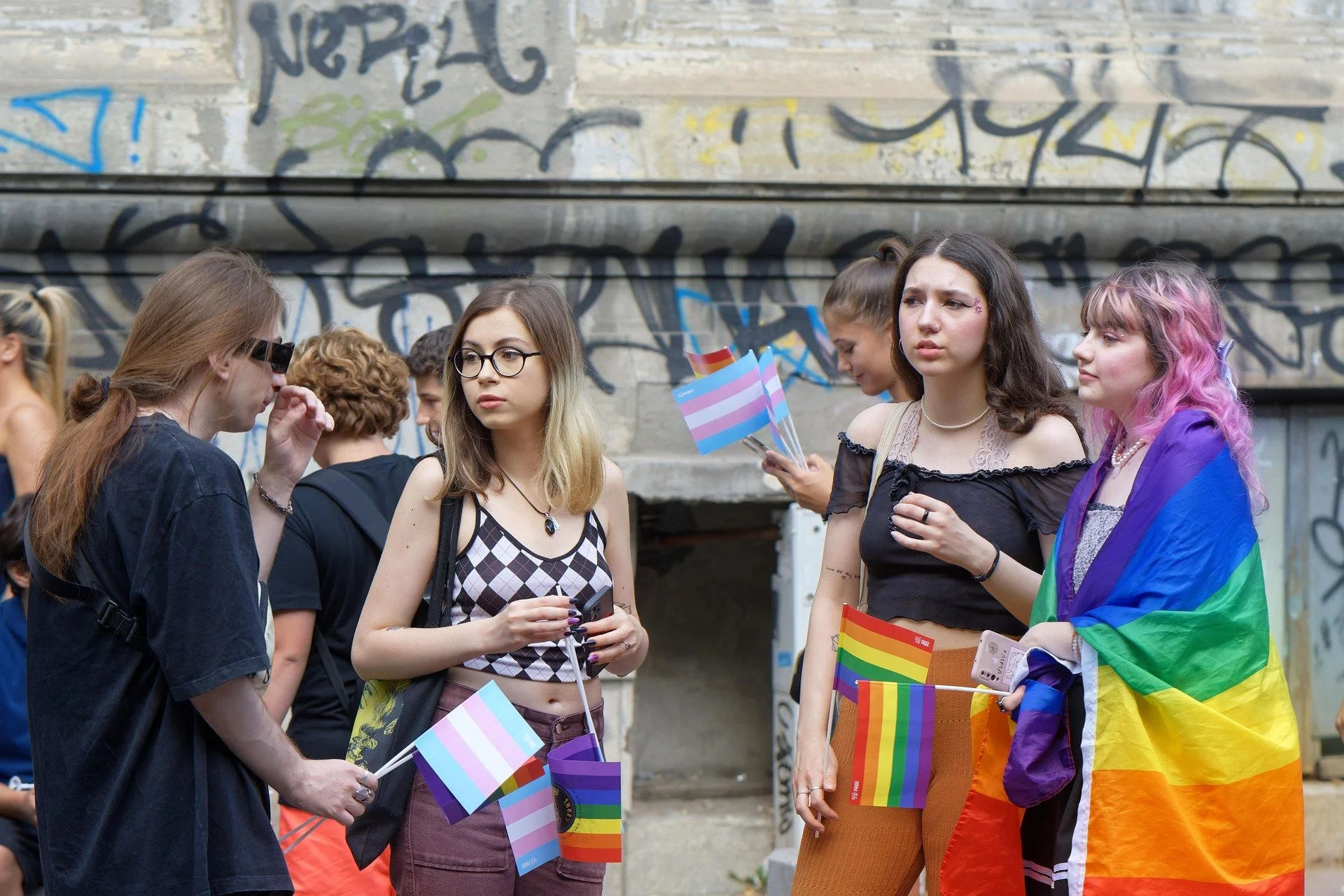
But those experiences do not cancel grief. In fact, they can exist alongside it. Someone who comes out later in life may experience immense gratitude for finally living authentically while simultaneously mourning decades spent hiding. Someone leaving an environment that demanded conformity may feel liberated while grieving the opportunities lost in the process. Someone rebuilding their life after years of suppression may find themselves unexpectedly angry, sad, or overwhelmed.
These reactions are not evidence that authenticity was the wrong choice. They are evidence that loss occurred along the way. Human beings are capable of holding multiple truths at once. Relief and sadness. Freedom and regret. Pride and grief.
They do not cancel one another.
Mourning the Years That Cannot Be Reclaimed
Perhaps the most difficult aspect of this experience is the realization that certain things cannot be recovered.
Time is one of them. People often speak about lost opportunities in abstract terms, but grief tends to become more concrete as we age.
Someone may realize they never experienced young love as their authentic self. Someone may recognize that fear dictated major life decisions. Someone may look back and see years spent managing expectations that were never truly their own.
Others may grieve:
Relationships that ended because authenticity was not yet possible
Friendships lost to rejection or misunderstanding
Educational or career paths abandoned out of fear
Opportunities for self-expression that felt inaccessible
Important milestones experienced behind a mask
These reflections can be painful because they involve things that cannot be retrieved. There is no way to relive a first love at sixteen. No way to reclaim a decade spent hiding. No way to revisit every fork in the road and choose differently. The finality of those realities can create genuine grief. Not because life is ruined. Not because the future lacks possibility. But because loss deserves acknowledgment.
The Neuroscience of Looking Back
One reason this form of grief can feel so intense is that the brain is naturally designed to revisit alternative possibilities.
Psychologists refer to this as counterfactual thinking. It is the mental process of imagining what might have happened under different circumstances.
What if I had known sooner?
What if I had felt safe?
What if I had been accepted?
What if I had chosen differently?
These questions are often uncomfortable, but they are also normal. The brain uses them to create meaning, understand experience, and integrate major life events. When people encounter authenticity later than they hoped, the brain frequently begins comparing current reality to imagined alternatives.This comparison can generate sadness, anger, longing, regret, and confusion.
Importantly, these thoughts are not necessarily signs that someone is stuck. They are often signs that the brain is attempting to make sense of a significant life transition. The goal is not to eliminate these thoughts. The goal is to engage them with curiosity rather than judgment.
The Grief of Survival
One of the most overlooked realities of identity-related grief is that many of the choices people mourn were made in the context of survival. It is easy to look backward and ask why someone did not come out sooner, leave sooner, speak up sooner, or live more authentically. It is much harder to acknowledge the conditions that existed at the time.
Family rejection.
Religious pressure.
Economic dependence.
Fear of violence.
Fear of abandonment.
Fear of losing community.
Fear of losing love.
Many people made the best decisions they could with the information, resources, and safety available to them at that moment. Understanding this does not erase grief. It does, however, create space for compassion. The younger version of yourself was not failing. They were surviving. And survival often comes with costs.
The Danger of Toxic Positivity
When people begin talking about lost time, they are often met with responses intended to be encouraging.
"Everything happens for a reason."
"At least you're living your truth now."
"The past made you who you are."
"Don't focus on what you missed."
While these statements are usually well-intentioned, they can unintentionally shut down important conversations. They ask people to skip over grief in favor of gratitude. But gratitude and grief are not opposites.
A person can be thankful for where they are today and still mourn what was lost along the way. In fact, forcing positivity often delays healing because it communicates that certain emotions are less acceptable than others. Authenticity should not require pretending the losses never happened.
Holding Joy and Grief at the Same Time
One of the healthiest developments in contemporary grief research is the growing recognition that human beings are capable of carrying seemingly contradictory emotions simultaneously. Joy does not erase sorrow. Love does not erase loss. Authenticity does not erase grief.
Many people find themselves experiencing some version of the following:
"I am happier than I have ever been, and I am grieving."
"I finally feel like myself, and I am angry about the years I lost."
"I love the life I have built, and I mourn the life I never got to live."
These statements are not contradictions. They are evidence of emotional complexity. Healing is not choosing one emotion over another. It is learning how to hold them both.
What Support Actually Looks Like
Supporting someone navigating this kind of grief requires resisting the urge to reframe their experience.
The goal is not to convince them that everything worked out exactly as it should have. The goal is to create space for honest reflection.
Support often sounds like:
"That makes sense."

"I can understand why you'd grieve that."
"You lost something important."
"You don't have to justify those feelings."
Validation does not increase grief. It reduces isolation. When people feel seen, they are less likely to battle their emotions alone.
For Those Who Are Carrying This Grief
If you find yourself mourning years that cannot be reclaimed, know that you are not broken. You are not ungrateful. You are not dwelling in the past. You are responding to loss. The fact that your life may be fuller today does not invalidate what was missing yesterday. The fact that you survived does not erase the cost of survival. And the fact that you are moving forward does not mean you have to pretend there is nothing worth mourning.
Grief is not always a sign that something is wrong. Sometimes it is evidence that something mattered.
Pride, Grief, and the Life Still Ahead
Pride Month is often framed as a celebration of authenticity.
And it should be. Authenticity can be liberating. It can create connection, belonging, freedom, and joy.
But for some people, authenticity also shines a light on losses that were previously difficult to see. Acknowledging those losses does not diminish the life being built today. It honors the life that was required to survive long enough to build it. The years behind you matter. The person who carried you through them matters. And the grief that emerges when you look back is not evidence that you are stuck.
It is evidence that your story deserves to be told in its entirety. Not just the parts that celebrate survival. But the parts that recognize what survival cost.
Resources
Association for Death Education and Counseling (ADEC)
https://www.adec.org
The Trevor Project
https://www.thetrevorproject.org
PFLAG
https://pflag.org
Hospice Foundation of America
https://hospicefoundation.org
988 Suicide & Crisis Lifeline
https://988lifeline.org
If grief, identity-related loss, depression, or thoughts of self-harm are affecting your daily life, seeking support is a sign of strength, not weakness. You do not have to navigate these experiences alone.